Frequently Asked Questions
What features does the hospital management system offer?
The features of the hospital management system include patient registration, appointment scheduling, billing, electronic health records, inventory management, and reporting tools, all designed to enhance operational efficiency and improve patient care.
How can the software improve patient care?
The software improves patient care by streamlining processes such as patient registration, appointment scheduling, and medical record management, ensuring timely access to information and enhancing communication between healthcare providers and patients.
What are the benefits of using a cloud-based healthcare solution?
The benefits of using a cloud-based healthcare solution include enhanced accessibility, improved data security, cost-effectiveness, and streamlined operations, allowing healthcare providers to focus on patient care while efficiently managing their resources.
What features enhance hospital operational efficiency?
The features that enhance hospital operational efficiency include automated patient registration, streamlined billing processes, real-time data analytics, and integrated communication systems, all of which optimize workflows and improve overall patient care.
How does the system streamline patient registration?
The system streamlines patient registration by automating data entry, reducing paperwork, and facilitating quick access to patient information, which enhances efficiency and minimizes wait times for both staff and patients.
What reporting capabilities does the software provide?
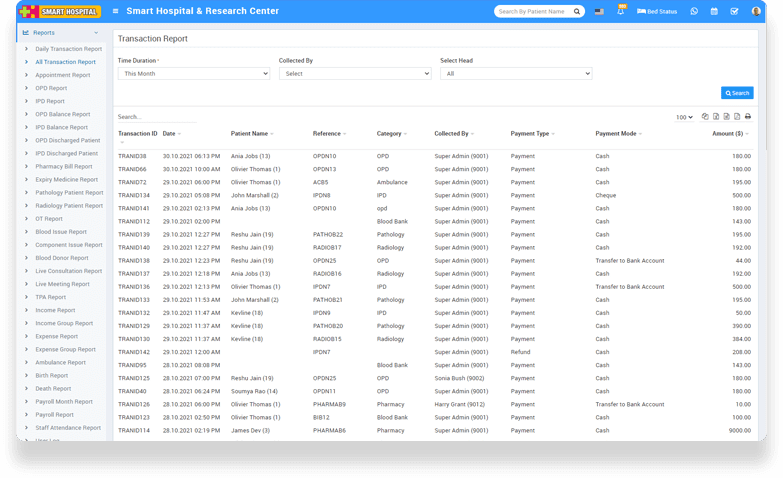
The reporting capabilities of the software include comprehensive analytics on patient data, financial performance, and operational metrics, enabling hospitals to make informed decisions and enhance overall efficiency.
How can the software assist in billing processes?
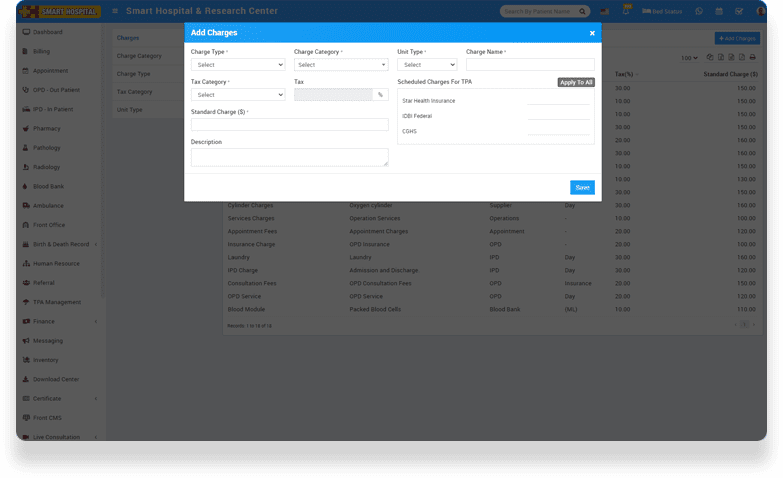
The software assists in billing processes by automating invoicing, streamlining payment collections, and ensuring accurate financial reporting, which enhances efficiency and reduces errors in hospital billing operations.
What security measures protect patient data?
The security measures that protect patient data include encryption, secure access controls, regular audits, and compliance with healthcare regulations like HIPAA, ensuring that sensitive information remains confidential and secure from unauthorized access.
How does the system support telemedicine services?
The system supports telemedicine services by offering integrated video conferencing, secure messaging, and electronic health record access, enabling healthcare providers to deliver remote consultations and maintain seamless communication with patients.
What integrations are available with existing systems?
The integrations available with existing systems include seamless connectivity with electronic health records (EHR), billing software, laboratory systems, and third-party applications, ensuring a unified and efficient healthcare management experience.
How can the software improve appointment scheduling?
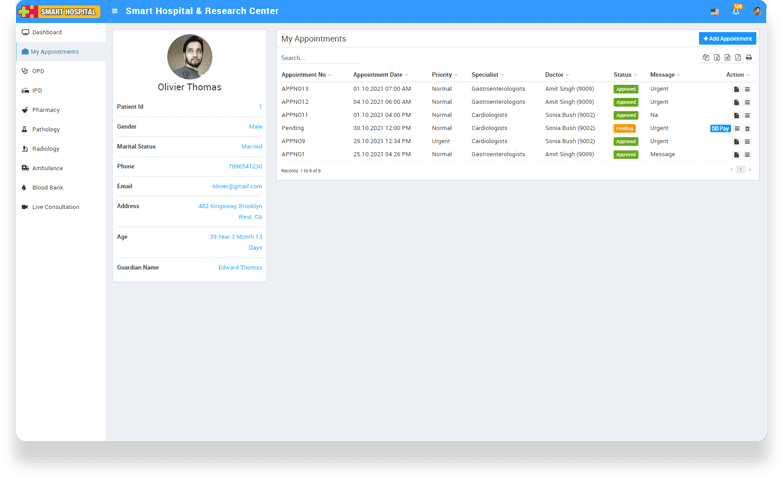
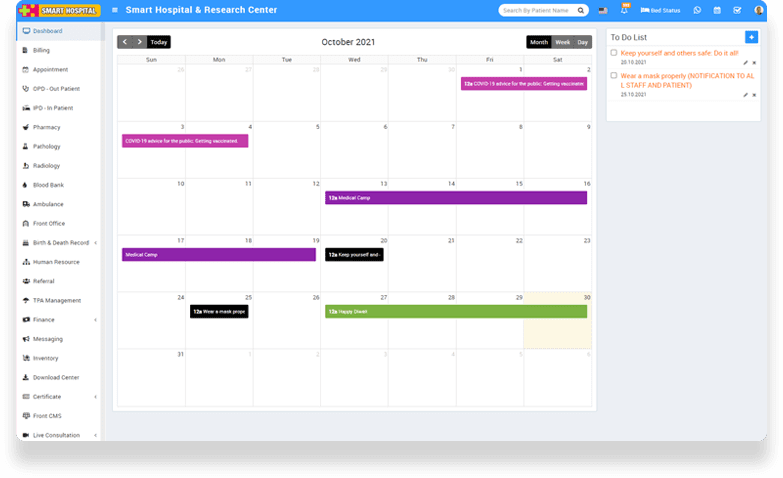
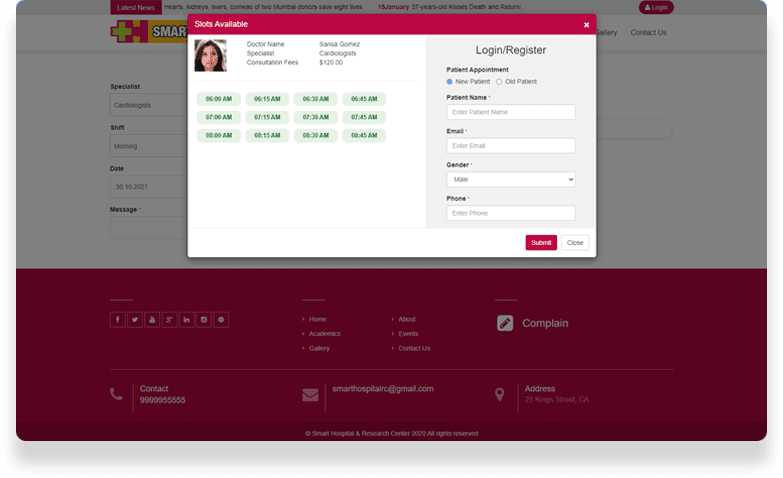
The software improves appointment scheduling by automating the booking process, reducing errors, and allowing for real-time updates, which enhances efficiency and patient satisfaction. This leads to better resource management and streamlined operations in healthcare facilities.
What user training is provided for staff?
User training for staff includes comprehensive onboarding sessions, hands-on workshops, and ongoing support to ensure effective use of the hospital management system, enhancing operational efficiency and patient care.
How does the system handle electronic health records?
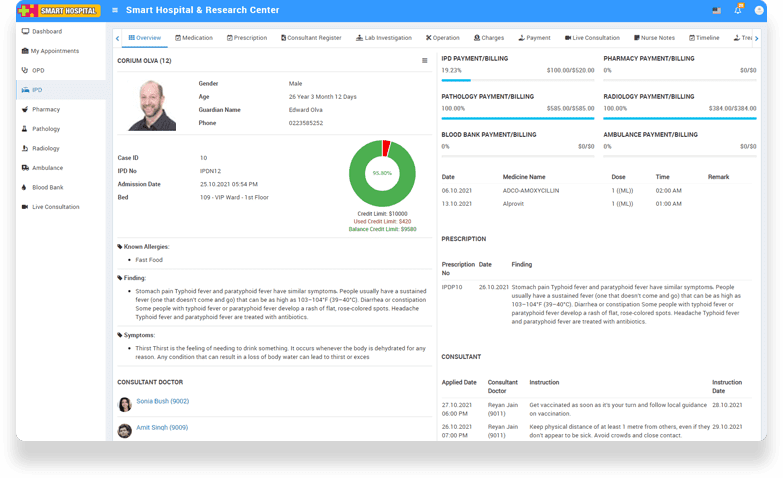
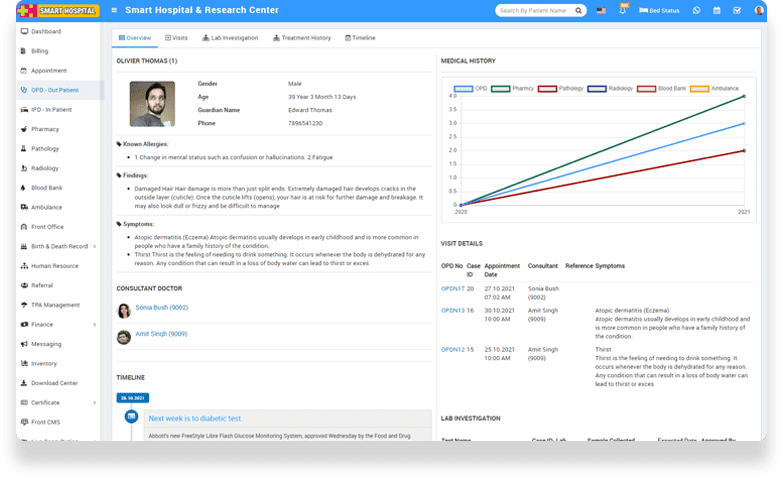
The system handles electronic health records by securely storing and managing patient data, facilitating easy access for authorized personnel while ensuring compliance with healthcare regulations to enhance patient care and streamline workflows.
What customization options are available for hospitals?
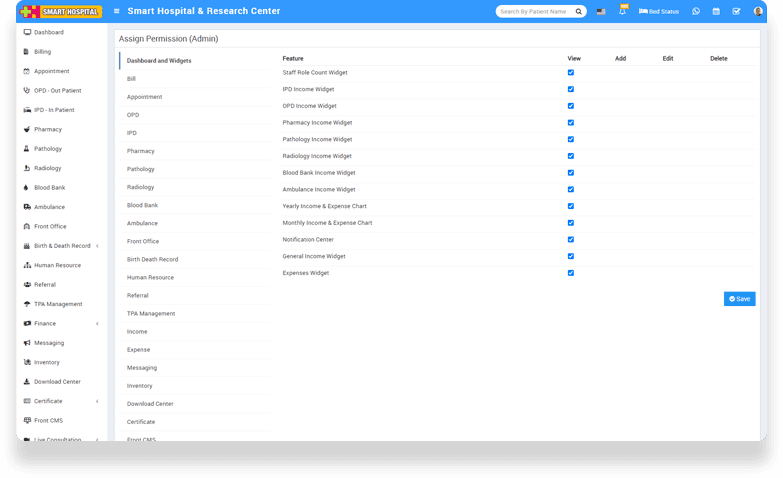
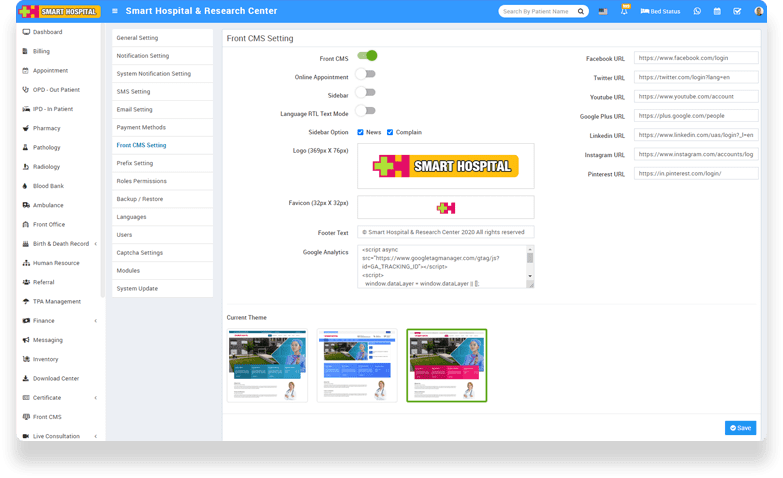
The customization options available for hospitals include tailored workflows, specialized reporting tools, user-defined access levels, and integration with existing systems, ensuring the software meets specific operational needs and enhances patient care.
How can the software facilitate patient communication?
The software facilitates patient communication by providing secure messaging features, enabling appointment reminders, and offering access to medical records, ensuring timely and efficient interactions between patients and healthcare providers.
What analytics tools are included in the system?
The analytics tools included in the system provide real-time data insights, enabling hospitals to track performance metrics, patient outcomes, and operational efficiency, ultimately supporting informed decision-making and enhancing overall healthcare delivery.
How does the software ensure compliance with regulations?
The software ensures compliance with regulations by integrating up-to-date industry standards, implementing robust data security measures, and conducting regular audits to monitor adherence, thereby safeguarding patient information and maintaining operational integrity.
What support services are offered post-implementation?
Post-implementation support services include ongoing technical assistance, regular software updates, user training sessions, and access to a dedicated support team to ensure seamless operation and address any issues that may arise.
How can the system adapt to different hospital sizes?
The system can adapt to different hospital sizes by offering scalable features that cater to the specific needs of small clinics, mid-sized hospitals, and large healthcare facilities, ensuring efficient management regardless of the institution's scale.
What feedback mechanisms are in place for users?
The feedback mechanisms in place for users include regular surveys, user reviews, and a dedicated support channel, allowing users to share their experiences and suggestions for continuous improvement of our hospital management system.
How does the software improve overall patient satisfaction?
The software improves overall patient satisfaction by streamlining hospital processes, reducing wait times, and enhancing communication between patients and healthcare providers, ultimately leading to a more efficient and responsive healthcare experience.